
A loan-to-value ratio (LVR) refers to how much a bank lends against a mortgaged property, when compared to the value of that property. For owner occupier loans, a high LVR mortgage usually refers to any home loan taken out with less than a 20% deposit, meaning a loan-to-value ratio of greater than 80 percent. Buyers should be aware that lenders often charge higher interest rates on high LVR loans, meaning higher mortgage repayments.
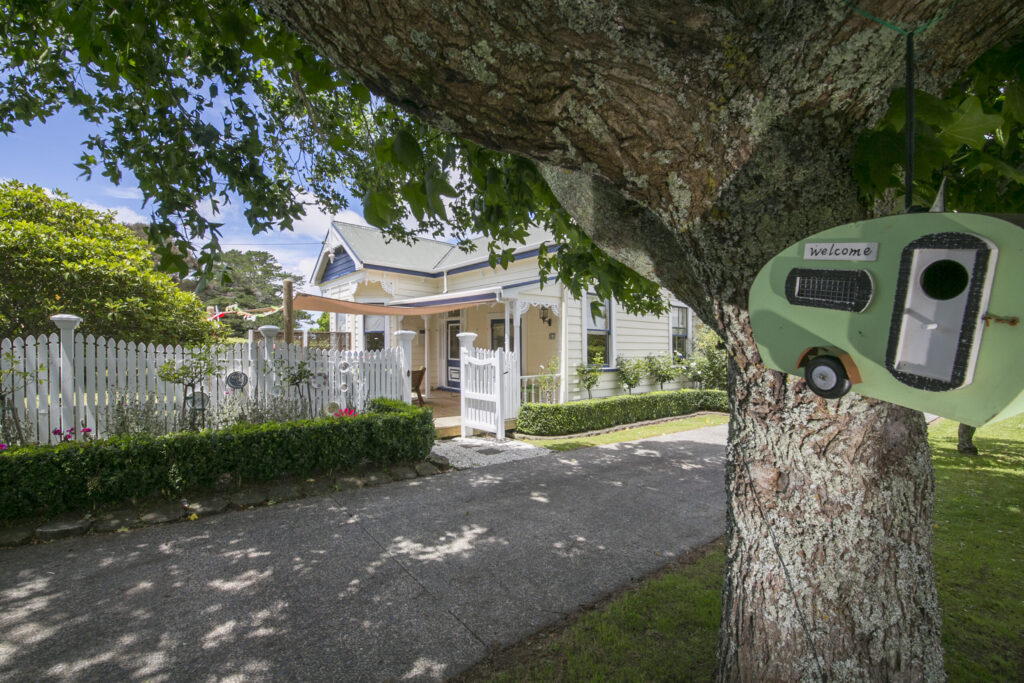
There are several different ways you can get into a home without having a 20% deposit. These include the New Zealand Government’s First Home Loan scheme, getting assistance from family members or choosing to build your home.
If you’re unsure which option is best for you, why not talk to one of Personalised Mortgages trusted Mortgage Advisers. They can help determine what assistance you may be eligible for, while also helping you choose the right to meet your goals. Best of all, our services are usually free, so get in touch with one of our Auckland-based mortgager advisers today.
You can learn more about getting your first home loan here.

First Home Loans are offered by selected New Zealand banks and lenders, and are underwritten by Kāinga Ora. Because of this support, lenders can offer home loans that may not usually meet standard lending criteria.
In many cases, this means eligible buyers can purchase a home with as little as a 5% deposit, compared to the more typical 10–20% required.
If you’re building or buying a new build home, you may only require a 10% deposit for an owner occupied property.
You can learn more about building your own home and construction loans here.

To qualify for Kāinga Ora’s First Home Loan scheme, you’ll need to meet certain criteria. Firstly, you’ll need to live in the home you’re buying. To be eligible for a 5% deposit home loan, sole buyers without dependents also need to have an income for the previous 12 months of $95,000 or less before tax. This increases to $150,000 before tax in the last 12 months if you’re the sole borrower with dependents. If you’re buying a home jointly with other people, the threshold is a combined $150,000 before tax. You can find the most up-to-date eligibility requirements for the First Home Grant here.
The property being purchased must also fall under a determined house price cap which differs between regions and cities. These price are subject to change, and the current regional house price caps for both existing properties and new builds can be found here on Kāinga Ora’s website.

Some New Zealand lenders offer home loans that utilise a family member’s home as security on your mortgage. These loans come in different structures, each with advantages and disadvantages, so it is definitely worth getting expert advice from a qualified Mortgage Adviser before proceeding with this loan type.
A low deposit home loan refers to buying a property with less than the standard 20% deposit. Lower deposit loan options include government schemes, building your first home, or using a family member’s property as security.
Yes, in some cases you can. Under Kāinga Ora’s First Home Loan scheme, qualifying first home buyers may be able to purchase with a 5% deposit through participating banks in New Zealand. In addition, some lenders also offer 5% deposit options for eligible borrowers.
A qualified Mortgage Adviser can help you understand whether you meet the criteria and which low-deposit options best suit your situation.
Whether you’re looking for expert mortgage advice to get you into your first home, or you’re upgrading, refinancing or looking for an investment property, our experienced team can help find the right solution for you.