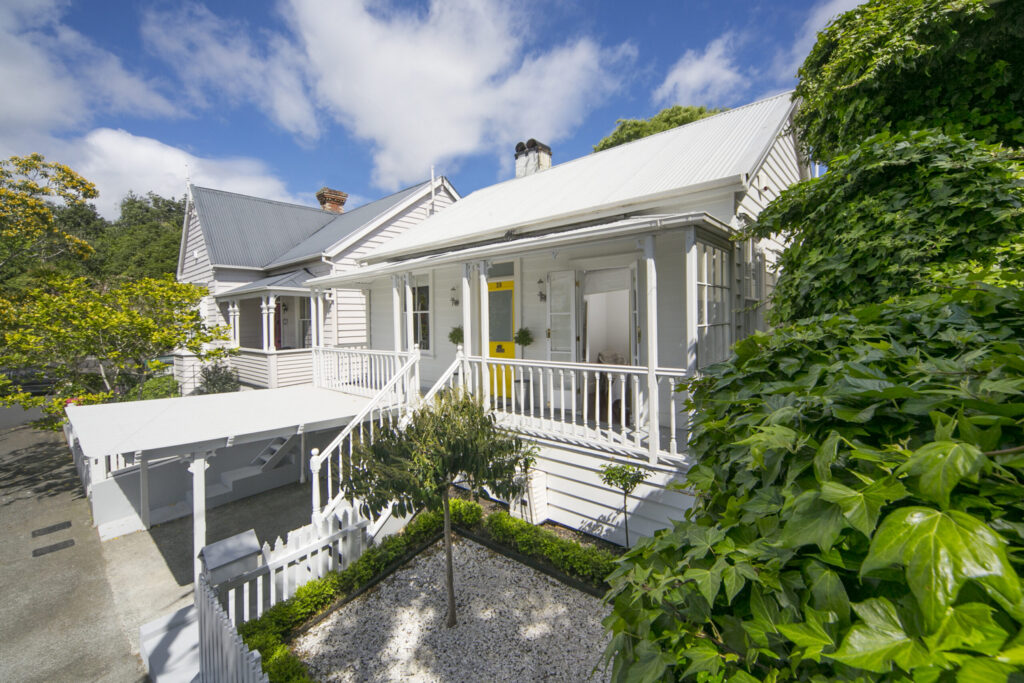
A reverse mortgage is a loan that allows the borrower to convert their home equity into cash. You can borrow an amount against the value of your property; however, it cannot surpass the total value of the property. In New Zealand, reverse mortgages are only available for seniors aged sixty or above. The appeal of a reverse mortgage is that it does not have to be paid back until the house is sold, which is usually when the owner goes into full-time care or passes away. A reverse mortgage typically comes with a lifetime occupancy guarantee, ensuring you have the right to live in your home for as long as you choose. Additionally, equity protection ensures that some equity will be left for you or your estate after the sale, so that no debt is passed along.
“When we found our home online we were trying our luck and testing the waters. We were dealing with another broker at the time who was, let’s just say – not enthusiastic or proactive at all. We decided to give Christine a call after being recommended by a mate. It was a Friday afternoon – she worked all through the weekend in full communication and by the start of Monday we had everything we needed and she was ready to talk to the Banks. This was all at the start of the August 2021 lockdown. Even though we were barely in a position to buy, she was so committed to making it work for us – after 2 weeks of back and forward with the bank, Christine delivered the good news and we got our pre-approval. We went from testing the waters to future homeowners and it’s all thanks to the hard work Christine put in during testing times in a lockdown.
Our house was still under construction for a year after we got our initial approval but not once did Christine leave us in the dark, she was constantly in touch asking for updates and also giving updates on the Bank with their ever-changing interest rates. She gave us the truth at all times even though it was not always what we wanted to hear. This was good for us and kept our expectations in tune.
When the time arrived for settlement, Christine acted fast – she managed to get our interest rates locked in no time and even managed to negotiate an amazing cashback which paid for our solicitor fees as well as the installation of a new heat pump. We can’t thank or recommend Christine enough, she truly is amazing.”
- Christine's Happy Customer
A reverse mortgage allows you to take out a loan against your home, providing it is mortgage-free, or nearly mortgage-free. The money from a reverse mortgage can be spent on anything, typically it is used to top up superannuation income, but can also be spent on health care or even holidays. It can be paid in a lump sum of cash, or in regular instalments depending on your needs. You do not need to make any monthly repayments with a reverse mortgage, as the full loan amount (including interest) is repaid when the home is sold. However, you are free to make voluntary repayments at any time, which reduce the balance and the interest charged. It is important to note that providers may be unwilling to offer a reverse mortgage for some properties such as retirement villages, farms and lifestyle blocks.
How much you can borrow on a reverse mortgage can depend on factors such as your age and the value of your property. Our friendly mortgage advisers can help you figure out what amount is right for you.
Reverse mortgages can be beneficial for some retirees; however, they are not suitable for everyone. Our friendly mortgage advisers can help decide whether a reverse mortgage is the right choice for you.
Once a reverse mortgage has been approved, you are free to spend the money however you choose. Whether that means covering medical bills, maintaining your home or travelling.
You do not have to make any repayments on the loan until the house is sold, ensuring you can enjoy both financial freedom and retirement.
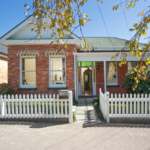
While the loan is due for repayment when the house is eventually sold, you will never be forced to move.
While a reverse mortgage allows you to stay in your home, it also means you are not able to rent it out or move without selling. This can be a problem if you want to keep your options open in the future.
Not having to make monthly repayments on a reverse mortgage is a huge incentive, but it does mean that interest piles on. Repaying a reverse mortgage after twenty years could mean the interest rates on the loan cost more than the loan itself.
How much money you can borrow from a reverse equity mortgage is dependant on factors including your age and the value of your property. Our friendly mortgage advisers can help you figure out what amount is right for you.
The disadvantages of a reverse mortgage are limited living options and compounding interest. To receive the cash pay-outs, you must live within the property and cannot rent it out. Additionally, interest on reverse mortgage is higher than normal mortgages and rapidly compounds without monthly payments.
A reverse mortgage allows you to borrow money against the value of your property, while still living in your home. The money can be spent on almost anything and there are no required monthly repayments.
Whether you’re looking for expert mortgage advice to get you into your first home, or you’re upgrading, refinancing or looking for an investment property, our experienced team can help find the right solution for you.