
The amount you can borrow on a new build construction loan depends on the type of building contract. Banks are harsher in their assessment of construction lending than a standard home loan for an established property. They often require applicants to demonstrate greater affordability in the bank servicing calculators or the inclusion of a percentage of the build/contract price as a cost overrun. While lender assessment of this type of lending is stricter, this varies with the type of construction lending.
If you’re unsure of how much you could potentially borrow or would like to explore the different building loan options available, you should get in touch with the friendly team at Personalised Mortgages. With our decades of experience and established relationships with lenders across New Zealand, we’ll help you secure the right construction loan for your requirements at a competitive interest rate. Best of all, our services are usually free, so get in touch with one our expert Mortgage Advisers today.
“We had a difficult mortgage and finance situation, which required a special approach. Our current financiers were not flexible enough to manage our situation with the project going over budget and over time.
I was referred to Hamish by a mutual client. Hamish was able to negotiate a deal for us that solved our financing problems at suitable rates, so that we could complete our project. Hamish understood the issues and our need to alter our financing to allow the project to complete and meet the market without causing extra undue stress.
For our next project Hamish will definitely be our first port of call. Highly recommended.”
- J P Biggelaar
Buying off plan refers to buying a property before construction has started, usually with only artist impressions and technical plans as a reference towards what the completed project will look like. One of the primary advantages of buying off plan is that you pay only the 10% deposit upon signing the contract, but do not have to settle the remaining 90% until construction is completed.
Land and build contracts are similar to turn-key fixed price contracts, and are currently the most common type of construction loan in New Zealand. Like turn-key contracts, land and build contracts typically only require a 10% deposit.
The primary difference with land and build contracts is the requirement for the home buyer to pay progress payments at various stages of the project, with the first payment typically made at settlement for the land. Any subsequent drawdowns will need to be applied for with the provision of quotes/invoices. When we receive these, we will send onto the bank to process, making the payment to your nominated bank account or that of the contractor/business.

Turn-key contracts are fixed price contracts between you and the builder for the completion of your property, often including things such as landscaping and driveways. These contacts only allow for minimal non-fixed costs, meaning that you won’t end up paying for large additional costs once construction is underway. Turn-key contracts typically only require a 10% deposit, with some lenders going down to only a 5% deposit as part of the Kianga Ora First Home Loans scheme, which you can learn more about here.
One of the most significant advantages of turn-key contracts is that until the property has been completed and settled, you won’t be required to make any loan repayments or pay any interest.

A self managed build, sometimes called a labour only build, is where the homeowner (or a project manager engaged by the homeowner) manages the build directly and coordinates individual subcontractors.
Lending for self managed or labour only builds is typically based on the land value and existing equity, with loan-to-value (LVR) ratios commonly sitting between 65%–80% depending on the structure of the build.
Because these builds can carry a higher risk of cost overruns, most lenders also include a contingency allowance of around 10%–20%.
This is similar to a turn-key fixed price contract with a builder. The primary difference is that the home owner is responsible for completing some finishing work on the property themselves, or may have separate contracts with other service providers in place.
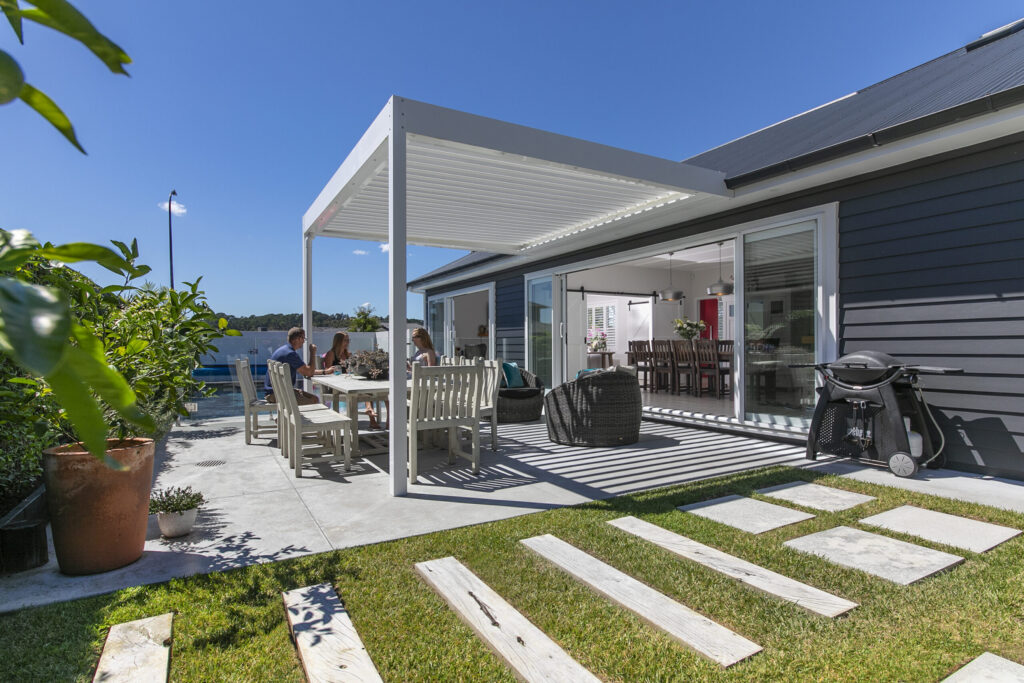
Our highly experienced mortgage advisors have built strong relationships with over 20 of New Zealand’s leading lenders. These relationships allow us the flexibility to choose from a wide range of construction loans that offer competitive rates and are best suited to the unique circumstances of your building project.
In New Zealand a new build refers to a property that is currently under construction or has been built and had a title issued within 6 months of completion. New builds include townhouses, apartments and free-standing homes which can be built off the plans or via a fixed-price contract.
A standard construction loan is typically structured on a floating (variable) interest rate during the build period, with interest-only repayments common while construction is underway.
During the build, you can generally choose to fix the interest rate at different stages as progress payments are made. Once construction is complete, the loan can then be reviewed and refixed into a standard home loan structure.
Construction loans are offered by all major banks in New Zealand as well as by specialised construction lenders. It is often worth talking to a professional Mortgage Adviser who can help in explaining the construction loan process, and in finding the right type of loan for your project.
Depending on the type of construction contract, for most new-build homes a 20% deposit is not required. If you’re building an owner-occupied dwelling, a 10% deposit loan is common, and in some cases, such as for first home buyers, only a 5% deposit may be required.
Whether you’re looking for expert mortgage advice to get you into your first home, or you’re upgrading, refinancing or looking for an investment property, our experienced team can help find the right solution for you.